
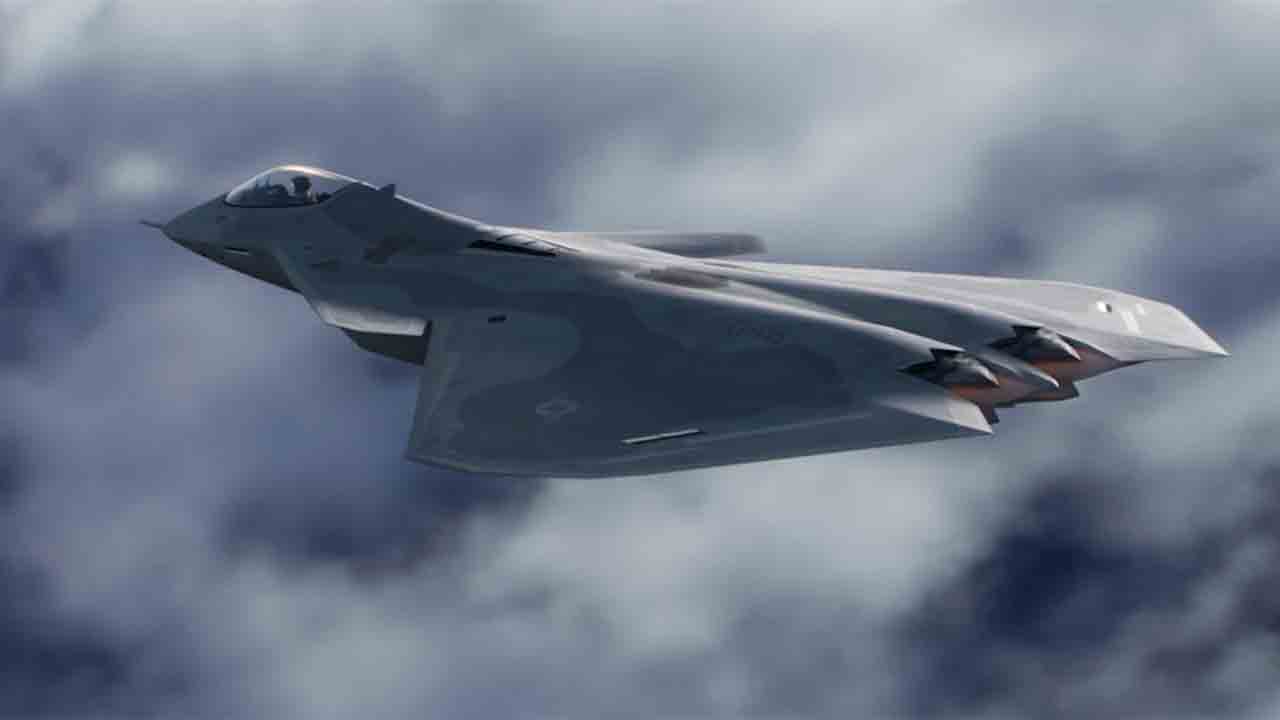
Pratt & Whitney shared a new video about the XA103 engine, which includes a computer-generated version of a design inspired by the F-47 fighter.
The engine, being developed as part of the Next Generation Adaptive Propulsion (NGAP) program, was featured in a video shared by the company on the RTX website last Wednesday (18), according to The Aviationist.
This engine could power the future F-47 fighter from Boeing, the winner of the U.S. Air Force’s manned Next Generation Air Dominance (NGAD) fighter competition. Currently, the race to develop the engine is between P&W and General Electric.
At the end of the video, a computer-generated version of what could be a design inspired by the F-47 is shown. The aircraft captured in the clip shows some similarities and some differences from the official renderings, which has intrigued viewers.
However, it is important to emphasize that the aircraft shown in the clip is just a representation of a fighter with little or nothing in common with the real thing, whose design remains completely unknown in terms of shape at this time.
Since the contract was awarded to Boeing in 2025, the U.S. Air Force has released only two renderings of the aircraft, and a variant of one was later released by Boeing for the F/A-XX program.
Additionally, these images showed only a small part of the aircraft. U.S. Air Force and industry officials later revealed that they were heavily edited to hide most, if not all, of the jet’s real design features.
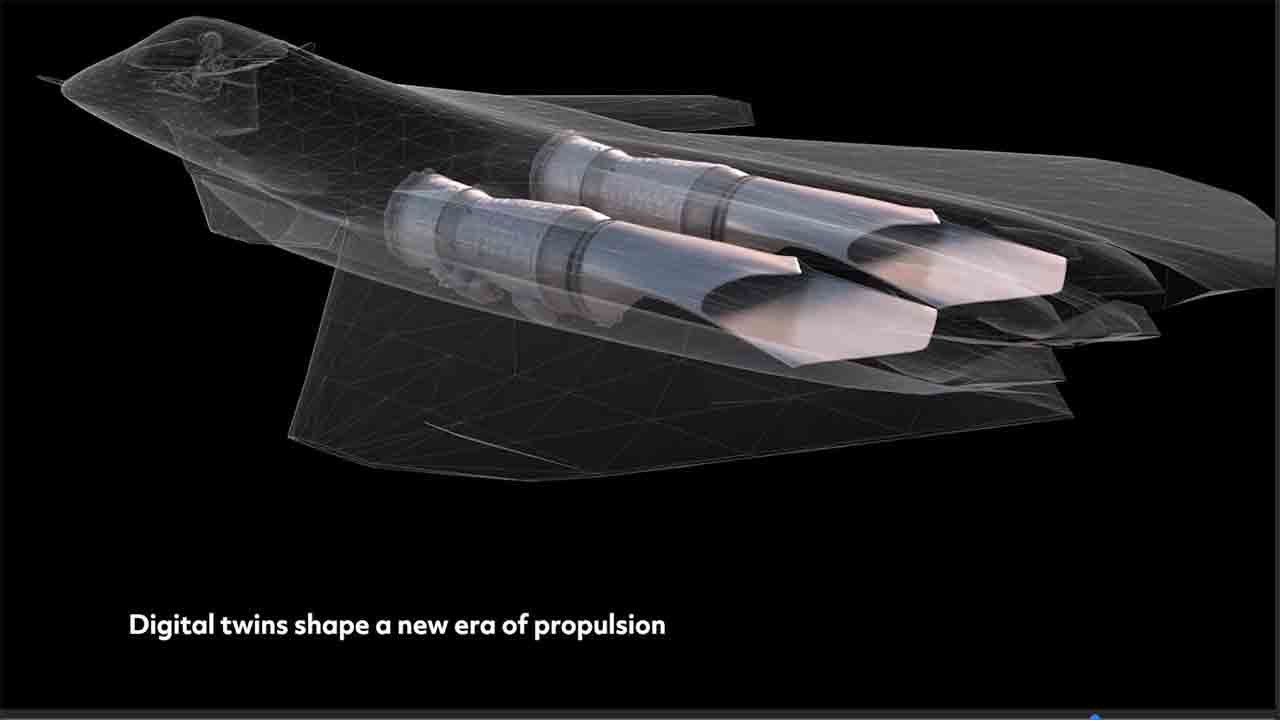
Despite speculation that P&W may have accidentally released real images of the future fighter, fictional aircraft in official public information or marketing material are quite common, and this appears to be the case with the P&W video.
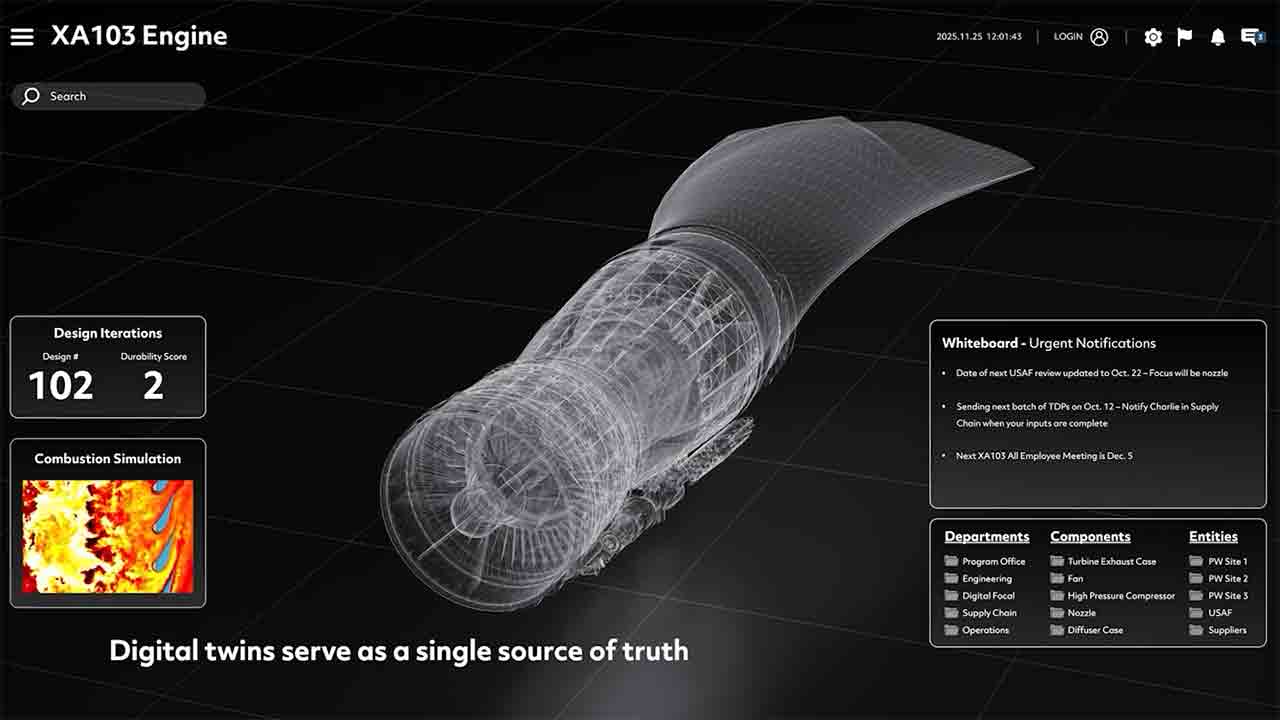
Regarding the Next Generation Adaptive Propulsion (NGAP) engine, Pratt & Whitney stated that it is using a fully digital engineering approach to accelerate development. The engine uses “hundreds of digital sensors” to track performance, according to the company.
A digital model of the XA103 adaptive engine architecture was displayed during a recent demonstration with U.S. Air Force officials present. During the demonstration, one was randomly deactivated and its digital design allowed the sensors to be identified in minutes rather than hours.
“A lot of excitement grew from [this] capability, which is not just sitting in someone’s head or in a bunch of dusty binders you have to flip through to figure out where the connections are,” said Alan Seipt, head of validation at Pratt & Whitney for adaptive programs.
“It’s a digital tool, and with a few buttons, you can see where it is and make real decisions,” he added.
It is worth emphasizing that, since the NGAP program is only expected to be completed around 2030, the first production Next Generation Air Dominance (NGAD) aircraft may rely on a temporary propulsion solution.
Photo and video: Pratt & Whitney. This content was created with AI assistance and reviewed by the editorial team.
Pratt & Whitney showcases F-47-like fighter in video about XA103 adaptive engine
Pratt & Whitney has released a new video highlighting its XA103 adaptive engine, featuring a computer-generated concept of an aircraft design inspired by the F-47 fighter.
video: Pratt & Whitney pic.twitter.com/ZyyNpNc1pd— saibadetudo.com.br (@saibadetudo25) February 23, 2026
